Hello October
A Warm, Thoughtful Autumn Stitch for Boutique Apparel
As an embroidery designer who’s developed seasonal collections for small clothing brands and Etsy sellers for over a decade, I opened Hello October with quiet anticipation—not just for its autumnal charm, but for how it would translate across real-world boutique apparel. This isn’t a trend-chasing script font or a cluttered motif. It’s a soft-spoken, confident greeting: friendly but refined, seasonal without being cliché, and quietly versatile enough to anchor a small sweatshirt line or elevate a handmade tote.
First Impressions: Gentle, Grounded, and Ready for Fabric
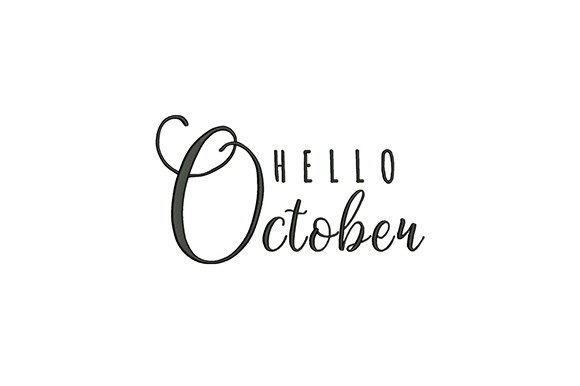
Hello October lands with a calm, hand-drawn warmth—think chalkboard signage meets cozy knitwear. The lettering has subtle unevenness and slight tapering, giving it organic movement rather than rigid digitization. There’s no excessive fill stitching or heavy outlines; instead, it leans into clean satin-stitched letters with delicate internal detail (like the gentle curve of the “O” and the soft tail on the “y”). It feels premium but approachable, feminine without frill, and deeply aligned with the quieter, earthier side of Autumn—not pumpkins and candy corn, but amber light, wool layers, and handwritten notes.
How Hello October Performs Across Real Apparel Projects
I tested Hello October across several garment types we regularly use for small-batch boutique production—and each time, it held its own with intention.
- Sweatshirt embroidery: On heather grey and oatmeal French terry, it stitched cleanly with minimal puckering. The moderate stitch density lets the fabric breathe while maintaining legibility—even at 3.5" wide on chest placement.
- Hoodie design: Centered just below the collarbone on a relaxed-fit hoodie, it reads effortlessly. The lowercase “h” and uppercase “O” create a balanced visual rhythm that doesn’t compete with ribbed cuffs or drawcords.
- Sleeve accents & back designs: At 2.25", it works beautifully on upper sleeves—especially on oversized or cropped styles where subtlety reads as intentional. As a back yoke accent (centered above shoulder blades), it adds seasonal storytelling without overwhelming the silhouette.
- T-shirt embroidery: On midweight cotton jersey, I paired it with a lightweight cutaway stabilizer and slightly reduced top tension. The result? Crisp, flexible lettering that moves with the fabric—not stiff or plasticky.
- Tote bag design: On natural canvas, Hello October becomes a lifestyle signature—ideal for farmers’ market hauls or coffee shop branding. Its clean lines hold up well in natural lighting for product photos.
- Denim jackets & cozy seasonal outfits: Over medium-wash denim or brushed fleece, the design retains its warmth and readability. It doesn’t shout—it invites a second look.
Where to Use Hello October With Intention
This isn’t a one-size-fits-all motif. Its strength lies in thoughtful placement:
- Small chest placement (2.75–3.5") is ideal—large enough to read, small enough to feel curated, not generic.
- Avoid dense stitch areas near seams or hems unless you’ve tested stabilizer support—its graceful curves need room to settle naturally.
- On stretchy fabric, always pair with tear-away + light cutaway combo and test wash/dry cycles before full production.
- For dark garments, choose high-contrast thread colors—cream, mustard, or deep rust pop beautifully without looking harsh.
- On curved surfaces (like hoodies or rounded tote bases), re-hoop carefully and avoid stretching the hoop too tightly—Hello October’s flow depends on relaxed fabric tension.
- Tiny lettering? Not this one. It’s not designed for sub-2" scaling—shrinking compromises its hand-drawn charm and legibility.
Why Hello October Builds Brand Trust—Not Just Seasonal Buzz
In a crowded handmade marketplace, consistency and authenticity matter more than ever. Hello October supports both. When used across a small collection—say, matching sweatshirts, matching tote bags, and printable mockups for Instagram—it creates visual cohesion without repetition fatigue. Customers begin to recognize your brand’s seasonal voice, not just its logo. That builds trust. It also signals attention to detail: this isn’t clipart slapped on fabric—it’s a considered machine embroidery design made for real apparel.
For Etsy sellers and small shop owners, Hello October helps position your finished product as elevated handmade—not craft-store filler. Paired with thoughtful photography (natural light, neutral backgrounds, lifestyle context), it elevates your commercial embroidery offering from “nice” to “worth saving for.”
Practical Embroidery Designer Notes Before You Stitch
Before committing to production, treat Hello October like any professional digital embroidery file:
- Test on scrap fabric that matches your final garment’s weight and texture—especially important for fleece, ribbed fabric, or blended knits.
- Confirm your stabilizer choice: lightweight cutaway for stable knits, tear-away + light fusible for wovens like denim or canvas.
- Review thread color contrast—some shades look identical on screen but differ dramatically under daylight or flash.
- Check hoop size requirements in the Creative Fabrica embroidery listing—don’t assume compatibility with your smallest hoop.
- Inspect stitch density visually in your embroidery software—if it looks overly packed in tight curves, consider adjusting density slightly for breathability.
- Compare placement options using a printable mockup—small changes in vertical alignment make big differences on curved chests or tapered sleeves.
- Always review the Creative Fabrica product details and licensing terms before selling finished apparel—this ensures your custom apparel stays compliant and professional.
Hello October won’t solve every seasonal design challenge—but for makers building a thoughtful, cohesive, small-batch apparel line, it’s a grounded, beautiful place to begin.