Cactus Group Outline
First Impression: Southwest Charm Meets Clean, Handmade Appeal
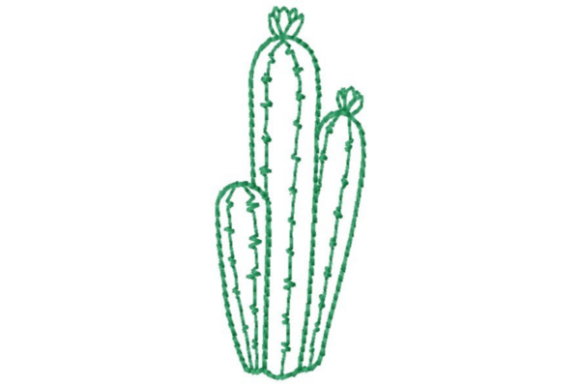
As an embroidery designer who’s prepped over 200 craft fair booths—from Portland bazaars to Nashville maker markets—I opened Cactus Group Outline expecting something cheerful and on-trend. What I got was better: a confident, minimal silhouette that reads instantly as *southwestern*, *botanical*, and *handmade*—without leaning into kitsch or clutter. It doesn’t scream “cute” or “funny.” It whispers “thoughtful design,” which is exactly what draws serious shoppers at handmade markets. This isn’t a filler outline—it’s a signature accent. And because it falls under Outline Flowers, it delivers crisp line work with breathing room—no dense fill stitches to bog down production or mute texture.
Where It Shines: Craft Fair-Ready Product Pairings
Cactus Group Outline thrives where simplicity meets utility—and where customers pause to touch, compare, and imagine it in their own space.
- Tote bag design: Perfect centered on natural canvas or oat linen. The outline pops against unbleached fabric without competing with grain or print—ideal for eco-conscious shoppers.
- Apron embroidery: Hits just right above the pocket on garden aprons or denim bibs. It reads clearly from 3 feet away and feels intentional—not like an afterthought.
- Tea towel embroidery: Works beautifully on hem corners or lower thirds. Because it’s an outline, it won’t stiffen the towel’s drape or absorbency—critical for functional kitchen goods.
- Embroidered patch: Translates flawlessly to iron-on or sew-on patches. Clean edges mean sharp cutouts, and its compact scale makes it ideal for small-batch patch bundles (a top seller at spring fairs).
- Pillow cover & fabric pouch: Adds subtle personality without overwhelming. On oat or clay-dyed cotton, it reads as elevated, not generic.
It’s less effective on curved surfaces like caps—unless scaled carefully and placed on flat panels (e.g., front bill)—and doesn’t carry well on ultra-textured towels (think heavy waffle weave) unless stabilized aggressively. More on that below.
Production Reality Check: Speed, Clarity & Consistency
This machine embroidery design is built for real-world output. Its clean lines mean fast stitch times, low thread consumption, and minimal jump stitches—key when you’re stitching 40+ tote bags before Saturday morning. As a digital embroidery file, it scales predictably: use it small (1.5”) for corner accents or large (4.5”) as a bold focal point—both read cleanly. That versatility means fewer design variants to manage, faster mockup creation, and smoother Etsy listing updates.
Photography? It’s a dream. Crisp outlines translate beautifully to white-background product shots and lifestyle flat-lays—no blur, no lost detail. For printable mockups, it layers cleanly over neutral textures, helping your small shop product stand out in crowded digital feeds.
Careful-Use Notes: Protect Your Stitch Quality
Even elegant outlines need smart execution. Here’s what I watch for with Cactus Group Outline:
- Dense stitch areas: None—this is pure outline. But check spacing between cacti. If too tight on small hoop sizes, branches may merge. Always preview in your embroidery software.
- Tiny details: Minimal. No thorns or micro-leaves—just confident curves and gentle tapering. Safe for 3mm+ minimum line width.
- Fabric texture: Avoid on heavily napped fabrics (like terry cloth) or thick canvas without tear-away + cut-away stabilizer combo.
- Dark fabric: Use high-contrast thread (e.g., bright lime, terracotta, or cream on navy/black). Outline designs vanish if thread blends.
- Small sizes: Below 1.25”, spacing between elements starts to compress. Test before batch-stitching tiny pouches or keychains.
Booth Impact: How It Moves Units & Builds Your Brand
In a sea of floral bouquets and script quotes, Cactus Group Outline stands out by being quietly distinctive. It signals *intentional curation*, not trend-chasing. Customers notice it first on tea towels folded beside hand-poured candles—or on aprons worn by fellow makers browsing your booth. That visual consistency (same outline across multiple product types) reinforces your brand as cohesive and design-savvy.
It also invites engagement: “Is that hand-drawn?” “Do you do custom cacti?” “Can I get this on a cap?” That’s buyer connection—not just transaction. And because it’s versatile across genders, ages, and styles (farmhouse, modern, boho), it widens your appeal without diluting your voice.
Designer-to-Designer: Your Pre-Production Checklist
Before cutting your first fabric swatch, run these checks—especially if you’re selling finished products commercially:
- Test on scrap fabric matching your final product (e.g., flour-sack cotton for tea towels, midweight denim for aprons).
- Verify thread contrast—not just on white, but on your top 3 fabric colors.
- Review spacing and proportions in your embroidery software—zoom in to confirm no overlapping or distortion.
- Confirm hoop size compatibility—some versions of this embroidery file may include multiple hoop options; choose the one that fits your most-used machine.
- Inspect stitch density—even outlines can overload if digitized poorly. Look for smooth transitions, no puckering cues.
- Use the right stabilizer: lightweight cut-away for stable wovens; tear-away + topping for knits or textured weaves.
- Create at least one real mockup—not just digital. Hang it. Fold it. Photograph it in natural light.
- Compare fabric colors side-by-side—dye lots vary. A “sand” linen from Batch A may mute the outline vs. Batch B’s warmer tone.
- Confirm commercial licensing before selling finished goods—this is essential for Etsy sellers, boutiques, and wholesale partners.
Final Thought: A Quiet Workhorse for Creative Entrepreneurs
Cactus Group Outline isn’t flashy—but that’s its power. In the handmade economy, trust is built through clarity, consistency, and craftsmanship. This machine embroidery design delivers all three. It’s a reliable anchor for your craft fair product lineup, a flexible asset for your design assets library, and a quiet signal to buyers that you care about form *and* function. Whether you’re stitching for your own small shop product line or licensing for boutique makers, treat it with intention—and it’ll return the favor in booth traffic, repeat orders, and genuine customer smiles.