Outlined Flowers: A Craft Fair Designer’s Real-World Review
First Impression: Clean, Spring-Ready, and Surprisingly Versatile
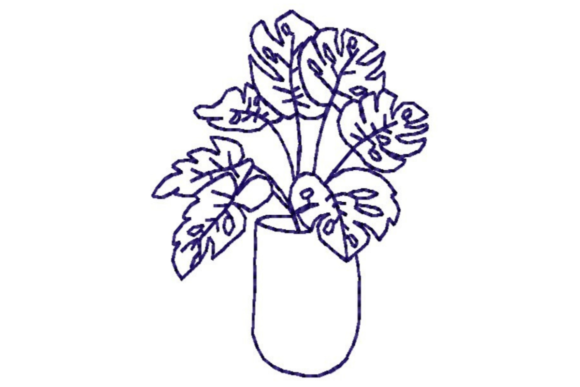
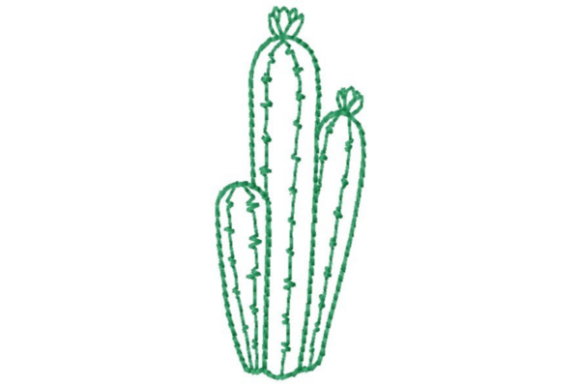
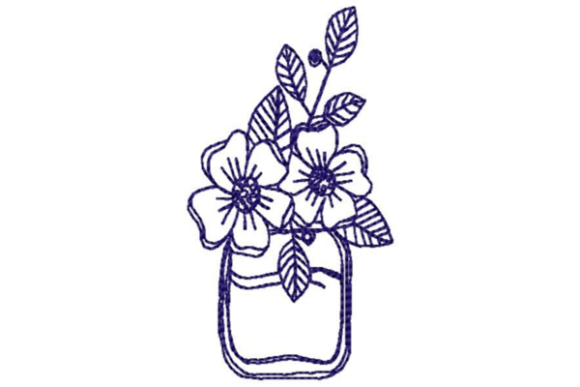
As an embroidery designer who’s prepped over 200 craft fair booths—and shipped thousands of embroidered tote bags, tea towels, and patches—I opened Outlined Flowers expecting a light, breezy spring motif. What I found was sharper than anticipated: a confident, minimalist line-art floral silhouette set with intentional negative space. It reads as modern *and* timeless—not overly rustic, not cartoonish, not fussy. No dense fill stitches, no tiny petals that vanish at 2 inches wide. Just clean outlines that suggest growth, softness, and quiet optimism. That’s gold for handmade markets where shoppers scan tables in under three seconds.
Where Outlined Flowers Shines on Real Craft Fair Products
This design doesn’t need to shout—it earns attention by breathing well on fabric. On a natural canvas tote bag? Perfect. The lines hold clarity even when stitched at 4.5 inches tall, and the open structure prevents “blobbing” on loosely woven fibers. As apron embroidery centered above the pocket? Yes—softens utility without sacrificing polish. For tea towel embroidery near the hem or corner? Ideal. The outline style avoids stiffness on textured terry cloth, and it photographs beautifully flat-laid or draped over a wooden spoon.
Embroidered patches made from Outlined Flowers sell fast—especially when backed with iron-on or sew-on adhesive and bundled in sets of three (daisy, tulip, lavender). Small pouches and pillow covers benefit most from its scale flexibility: stitch it small (1.75”) as a subtle accent on a linen drawstring bag, or go large (6”) as the sole focal point on a velvet cushion cover. And yes—it works on caps, but only if you’re using a low-profile curve-friendly hoop and a lightweight stabilizer. Avoid high-crown baseball caps unless you’ve tested the distortion first.
What Makes This Design a Smart Batch Production Choice
Outlined Flowers is inherently repeatable. Its stitch density stays moderate—no risky satin-stitched centers or micro-details that snag thread or stall machines mid-run. That means fewer stops, less thread breakage, and consistent results across 30+ tea towels in one afternoon. It translates cleanly to printable mockups for Etsy listings too: the clean lines render crisply on white, cream, oat, and slate fabric swatches—no pixelation, no anti-aliasing blur. Buyers instantly “get it,” which lifts conversion rates on digital embroidery file listings and finished product pages alike.
For small shop owners juggling Cricut prep, embroidery digitizing, and booth setup? This design reduces decision fatigue. You don’t need to choose between five color palettes—Outlined Flowers looks intentional in ecru thread on indigo denim, charcoal on oat linen, or pale mint on ivory cotton. Thread colors become expressive, not prescriptive.
Careful-Use Notes Every Embroiderer Should Check
- Dense stitch areas? None—this is pure outline. But confirm your digitized version doesn’t auto-fill gaps. Some auto-digitizers add unnecessary underlay.
- Tiny details? Minimal. Still, test at 1.5” on scrap tea towel fabric—some versions lose definition in the stem junctions.
- Thick or textured fabric? Works on medium-weight canvas and quilting cotton. Avoid heavy duck cloth or bouclé unless you double up cutaway stabilizer.
- Dark fabric? Yes—with tonal contrast. Use a matte thread (not rayon shine) to keep it soft and cohesive.
- Small sizes? Below 1.25”, stems may merge. Stick to ≥1.5” for patches and pouches.
How Outlined Flowers Strengthens Your Booth & Brand
In person, Outlined Flowers performs like a quiet anchor. It doesn’t compete with bold typography or neon trims—it complements them. When grouped with neutral-toned products (linen napkins, unbleached market bags, ceramic mugs), it adds organic rhythm without clutter. Customers linger longer on displays where one clean design repeats across formats—tote, patch, pillow—because it feels intentional, curated, and *handmade*, not mass-produced.
It also supports brand consistency. Whether you’re an Etsy seller building a “Spring Edit” collection or a boutique maker launching seasonal embroidery kits, Outlined Flowers slots seamlessly into a cohesive visual language: calm, considered, quietly joyful. That builds trust—and repeat buyers.
Essential Designer Checks Before You Stitch a Single Piece
Before cutting fabric or loading hoops:
- Test the embroidery file on scrap fabric matching your final product (e.g., terry cloth for tea towels).
- Check thread contrast—hold stitched sample 3 feet away. Does the outline pop, or fade?
- Review spacing between elements. Are stems too close? Does the overall shape fit your intended hoop size?
- Inspect stitch density in the software preview—no hidden fills or excessive underlay.
- Use the right stabilizer: tear-away for smooth cotton, cutaway for knits or stretchy blends.
- Create at least one real mockup—photograph it in natural light, on a shelf, and flat on wood.
- Compare how it looks on 3–4 base fabric colors. Linen ≠ cotton ≠ canvas.
- Confirm commercial licensing applies to your use case—especially if selling finished products or digital embroidery files.
Final Thought: A Design That Sells Because It Feels Human
Outlined Flowers isn’t flashy—but craft fair shoppers don’t buy flash. They buy feeling. They buy the sense that something was chosen with care, stitched with intention, and designed to live gently in their daily rituals. Whether it’s stitched on a market bag they carry every Saturday or framed as a tiny embroidered art print above their kitchen sink, this design carries warmth without weight. It’s ready for spring—and ready for your next booth, your next Etsy restock, your next batch of handmade joy. Just remember: test, compare, stabilize, and trust the outline.