Spring Vibes: A Designer’s Real-World Embroidery Review
First Impressions: Light, Lively, and Thoughtfully Composed
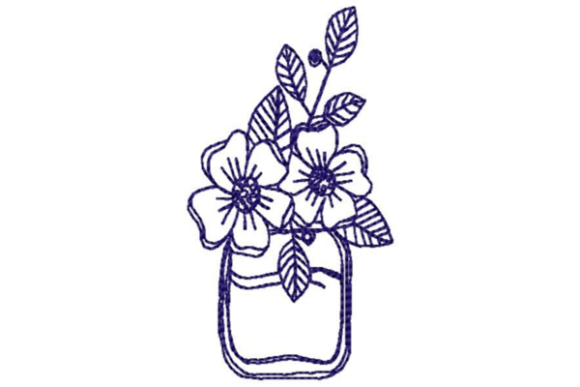
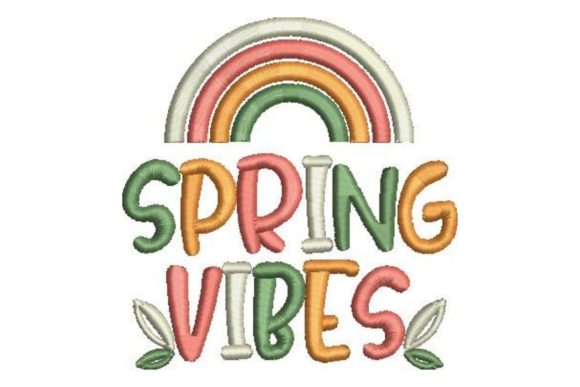
When I opened Spring Vibes for the first time, I didn’t just see flowers—I saw intention. The layout breathes: soft curves, balanced negative space, and a gentle asymmetry that avoids looking templated or stiff. It’s not overly botanical, nor is it cartoonish—it lands in that sweet spot where handmade charm meets quiet sophistication. As a designer who regularly sources embroidery files for client work and my own craft business, I immediately pictured this on a linen tea towel for a boutique kitchen line, or stitched onto the chest of an organic cotton baby onesie. That’s the real test: does it feel like it belongs *on fabric*, not just in a preview window?
A Tote Bag Test Run: Where Spring Vibes Truly Shines
Last week, I used Spring Vibes to embroider a set of 100% cotton canvas tote bags for a local florist’s spring launch. The design scaled beautifully at 4.2” wide—large enough to read clearly but small enough to keep stitch density manageable. No puckering, no thread breaks, and the satin stitch petals held crisp definition without overloading the fabric. Customers loved how the motif felt fresh but not fleeting—like a seasonal accent that still reads as timeless when the bag gets washed and reused. That’s the difference between a decorative embroidery file and a reliable design asset.
Where It Works—and Where It Needs Extra Care
Spring Vibes excels on stable, medium-weight fabrics: cotton tees, denim totes, twill aprons, and brushed poly sweatshirts. On those surfaces, its fill stitch areas stay smooth, and the running stitch outlines add subtle texture without snagging. But here’s what I watched closely:
- Thin or stretchy fabric? Use cutaway stabilizer—not tear-away—and reduce top tension slightly. The floral elements have delicate transitions; on lightweight jersey, they’ll shift without solid backing.
- Dark fabric? Check contrast in your thread palette. The design includes layered petal shapes—if you choose low-contrast thread (e.g., light beige on navy), fine details disappear. Stick with true whites, creams, or soft pastels for clarity.
- Caps or curved surfaces? Avoid placing Spring Vibes near the bill seam or crown curve unless you’ve tested it first on a cap frame. Its open composition doesn’t compress well on tight radii.
- Small hoop sizes? The file appears optimized for 5x7" hoops—but verify before stitching. If your smallest hoop is 4x4", some outer leaves may clip. Always check the bounding box in your editing software.
Design Integrity in Real Commercial Use
As an Etsy seller and small shop product developer, I pay close attention to how a machine embroidery design affects perceived value. Spring Vibes elevates a basic tote bag into something gift-worthy—not because it’s flashy, but because it feels considered. The spacing between stems gives breathing room; the slight variation in leaf angles suggests hand-drawn authenticity. That nuance builds customer trust. When buyers see consistent, clean stitching across multiple items—whether it’s a set of embroidered pillow covers or personalized baby blankets—they associate your brand with care, not automation.
It also translates well across formats: as an applique design (with fusible web backing), it holds shape on quilting cotton; as a standalone embroidery file, it layers cleanly over textured weaves like burlap or terry cloth—provided you adjust stabilizer weight accordingly. For holiday embroidery or wedding gifts, I’ve paired it with simple monogram initials in a clean sans-serif font—no competing flourishes needed. Spring Vibes has presence without dominance.
Practical Notes Every Designer Should Run Through
Before committing Spring Vibes to your next batch of custom apparel or digital embroidery file listings, take these five minutes:
- Test on scrap fabric—same type, same color, same stabilizer you’ll use for production.
- Review stitch density in your editing software. If fill areas look overly dense, consider reducing density by 5–10% for lightweight garments.
- Check thread color contrast using both black-and-white and grayscale mockups. What reads well on screen may vanish on dark fabric.
- Confirm licensing terms before selling finished products or bundling the file with other design assets. Not all embroidery files allow commercial use out of the box.
- Inspect small details at actual stitch size: tiny buds, thin stems, and inner petal lines should resolve cleanly—not blur into fuzz or break apart.
Fitting Into Your Creative Workflow
If you’re building a cohesive spring collection—think embroidered tea towels, matching aprons, and nursery decor—Spring Vibes works as a unifying anchor. It’s versatile enough for craft fair merchandise and refined enough for boutique branding. As a digital embroidery file, it’s easy to pair with coordinating fonts or minimalist borders for printable mockups. And for makers who sell personalized gifts, it adds warmth without overwhelming the recipient’s name or date—ideal for baby embroidery, graduation keepsakes, or “welcome home” kitchen bundles.
What sets Spring Vibes apart isn’t complexity—it’s restraint. In a market flooded with over-stitched, high-density floral motifs, this design trusts negative space, values readability, and respects the fabric it lives on. That’s why it feels equally at home on a child’s onesie and a linen napkin for a spring wedding brunch.
Final Thought: A Design That Grows With You
Good embroidery design shouldn’t limit your vision—it should expand it. Spring Vibes does exactly that: it invites thoughtful placement, encourages smart stabilizer choices, and rewards attention to detail. Whether you’re prepping for your next Etsy launch, filling wholesale orders for a local shop, or stitching a heartfelt personalized gift, this machine embroidery design earns its place in your active project folder—not just your archive.